Building Maritime Security Capability Across the Pacific: Partnerships, Training and Regional Resilience
ABL New Zealand is taking a practical, collaborative approach to strengthening maritime security capability across the Pacific, working alongside maritime administrations, port authorities, regional organisations and security professionals to turn international requirements into practical, sustainable outcomes.
Maritime security across the Pacific presents a unique set of challenges which influence how countries implement and maintain effective security arrangements, such as:
- Geographic isolation
- Dispersed maritime infrastructure
- Limited resources
- Competing operational priorities
While the International Ship and Port Facility Security (ISPS) Code provides a common international framework, its practical application must reflect the operating environment, resources and responsibilities of each country.
For ABL New Zealand, this has shaped an approach focused not only on compliance, but on developing capability, strengthening professional networks and supporting long-term resilience across the region.
A Year of Regional Engagement
Throughout 2026, ABL New Zealand has been actively engaged across the Pacific, supporting maritime security capability development through training, stakeholder engagement, regional collaboration and industry participation.
This work has included:
- Direct engagement with maritime administrations and port operators
- Participation in regional forums including the Pacific Maritime Transport Alliance (PMTA)
- The delivery of practical capability-building programmes designed to strengthen understanding of maritime security requirements and their application in real-world operating environments.
While the activities themselves vary, they are connected by a common objective: helping Pacific nations build and sustain their own maritime security capability through partnership rather than dependency.

Bringing the Pacific Together in Fiji
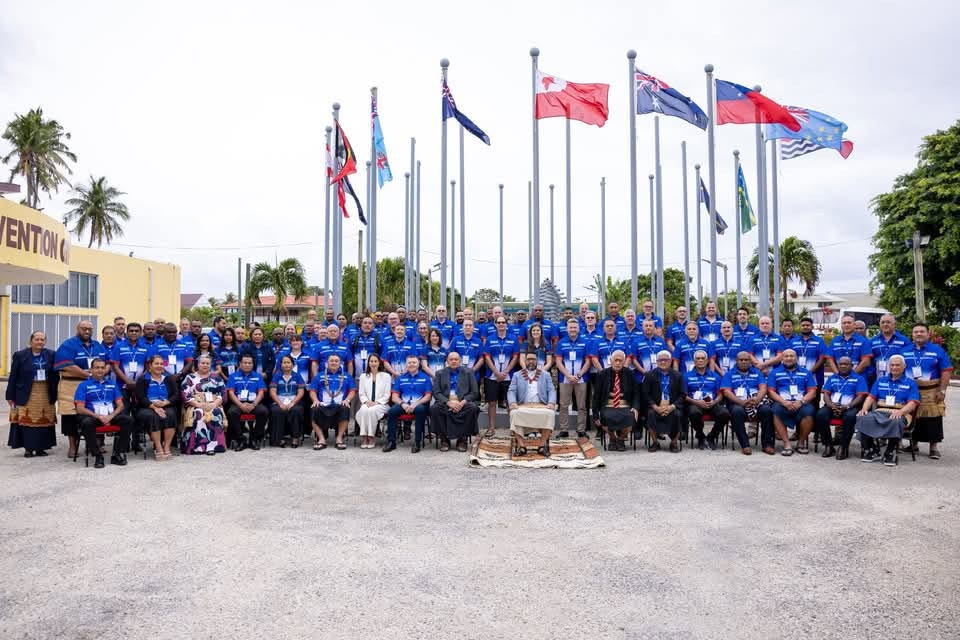
In June 2026, ABL New Zealand led a regional maritime security capability development programme in Suva, Fiji, bringing together 19 participants from seven Pacific countries: Fiji, Cook Islands, Papua New Guinea, Samoa, Solomon Islands, Tonga and Vanuatu.
Supported by ABL colleagues and industry expertise from Port of Tauranga, the programme focused on how maritime security requirements are applied in practice. A key feature was Operation Atea, a practical exercise requiring participants to manage evolving security situations, coordinate responses and make decisions under pressure.
Applying Capability in Vanuatu
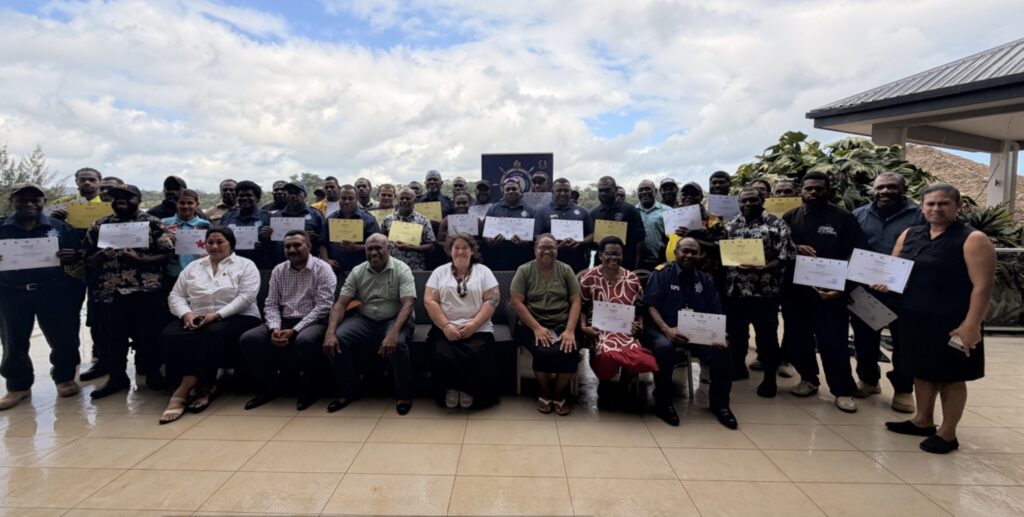
In October, ABL New Zealand travelled to Vanuatu to deliver maritime security awareness and capability development with local personnel and government representatives.
The engagement explored security arrangements where vessels remain at anchor and passengers or personnel transfer by tender, requiring practical solutions that maintain appropriate security outcomes.
The experience reinforced a key lesson: effective maritime security must be understood by those implementing it and reflect the realities of the local operating environment.
Building Capability, Not Dependency
One of the key lessons from ABL’s work across the Pacific is that compliance alone does not demonstrate capability. A security plan is only effective if personnel understand their roles, can apply procedures in practice and are confident responding when circumstances change.
ABL therefore focuses on bridging the gap between regulatory requirements and operational delivery through practical exercises, mentoring and capability development.
This support must also reflect the different strengths, challenges and priorities of each Pacific nation, rather than applying a one-size-fits-all approach.
Maritime Security and Regional Resilience

Across the Pacific, secure ports, capable maritime administrations and trained personnel support not only regulatory compliance, but economic security, trade continuity and national resilience.
This wider role will be explored at the 2026 Goldrick Seminar in November, where ABL New Zealand Country Lead and Senior Maritime Security Adviser Natasha Hallett will present “Maritime Resilience in the Pacific: Building Security Capability with Pacific States, not for them.”
With a theme of Maritime Power and National Resilience, the seminar reflects the principles behind ABL’s work across the region: strengthening maritime institutions, people and security capability to support more resilient maritime nations.
Effective maritime security cannot simply be delivered to the Pacific. It must be developed with the Pacific, shaped by local needs and sustained through strong partnerships and local leadership.