Advancing Maritime Excellence Through Academic Collaboration
At ABL, we believe that delivering trusted technical insight for a safer, more sustainable energy and maritime future depends on strong collaboration, shared expertise, and a commitment to developing the skills our industries need for the long term.
Following the successful completion of a recent collaborative pilotage study, the ABL team visited Southampton Solent University, marking an important step in strengthening a relationship that brings together industry expertise and academic excellence to deliver real-world impact for the maritime sector.
Bridging academic excellence and industry practice
During the visit, the University hosted the ABL team for a tour of its world‑class maritime facilities, which already play a valuable role in supporting and enhancing ABL’s technical offerings. These facilities enable practical validation of complex navigational scenarios and strengthen the evidence base behind client recommendations.
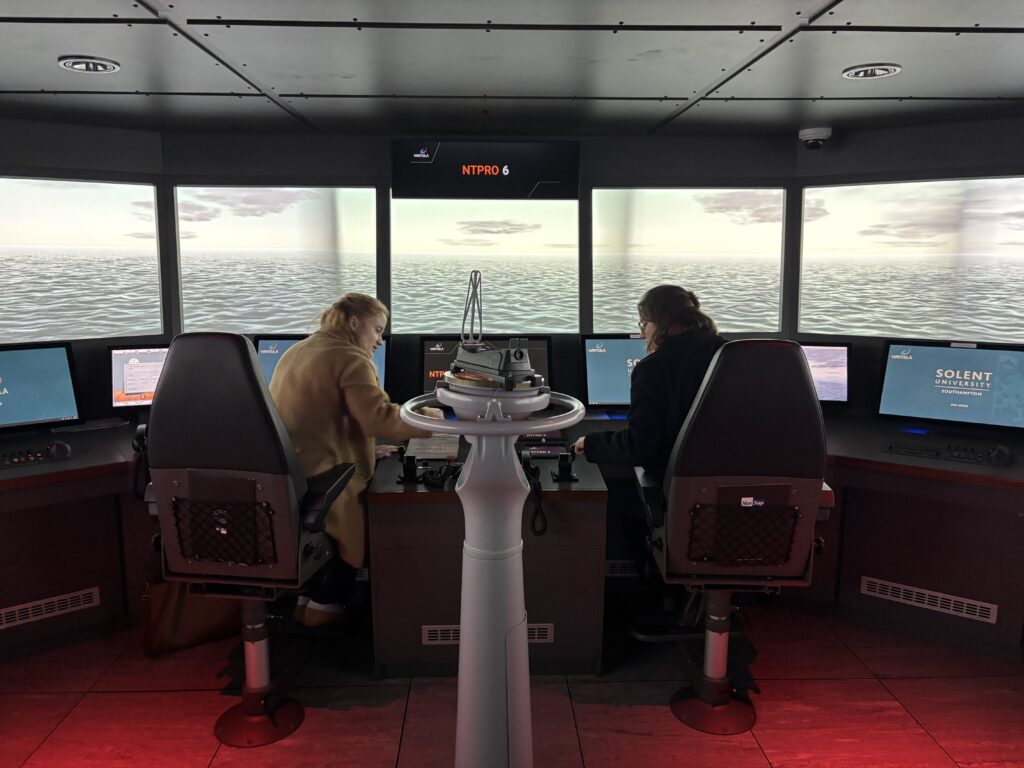
A highlight of the tour was a demonstration of the full‑mission navigational bridge simulator, used to test navigational scenarios and validate recommendations in Navigational Risk Assessments and related studies. Access to this level of simulation capability is critical to delivering robust, defensible outcomes for clients operating in increasingly complex maritime environments.
As Daniel Wood, Managing Director for Maritime, Europe and West Africa, noted during the visit,
“Access to high‑calibre simulation and ship‑handling facilities is vital for producing evidence‑driven recommendations for our clients. We’re looking forward to building on this foundation and continuing to deliver work that supports safe, effective port operations.”
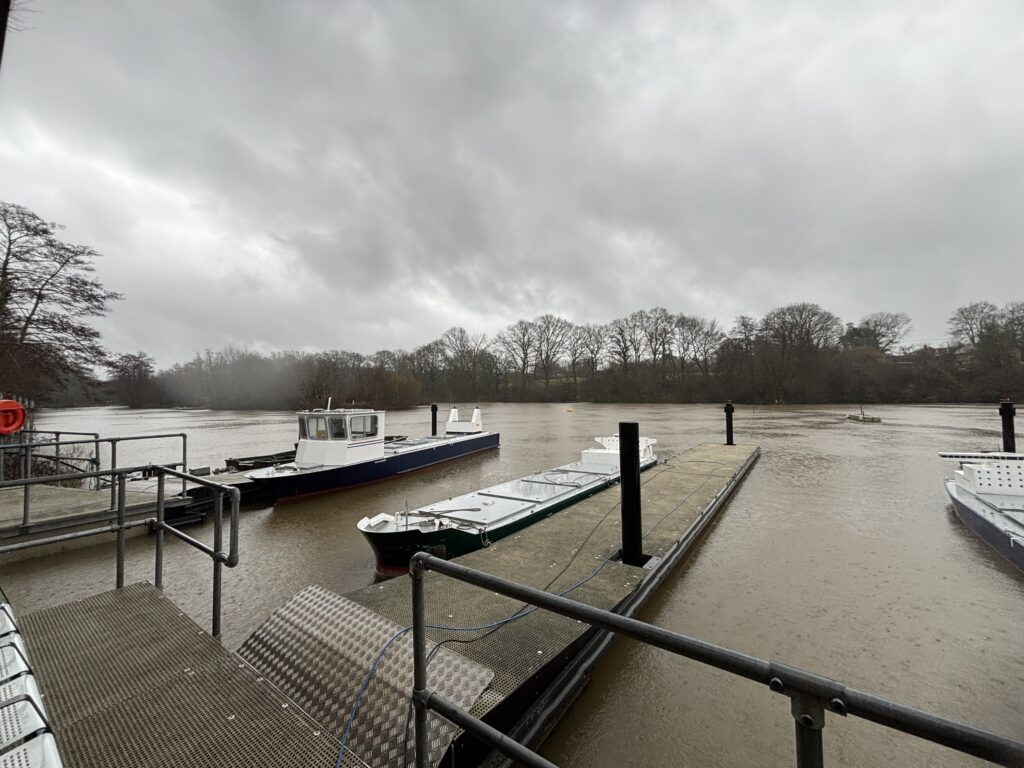
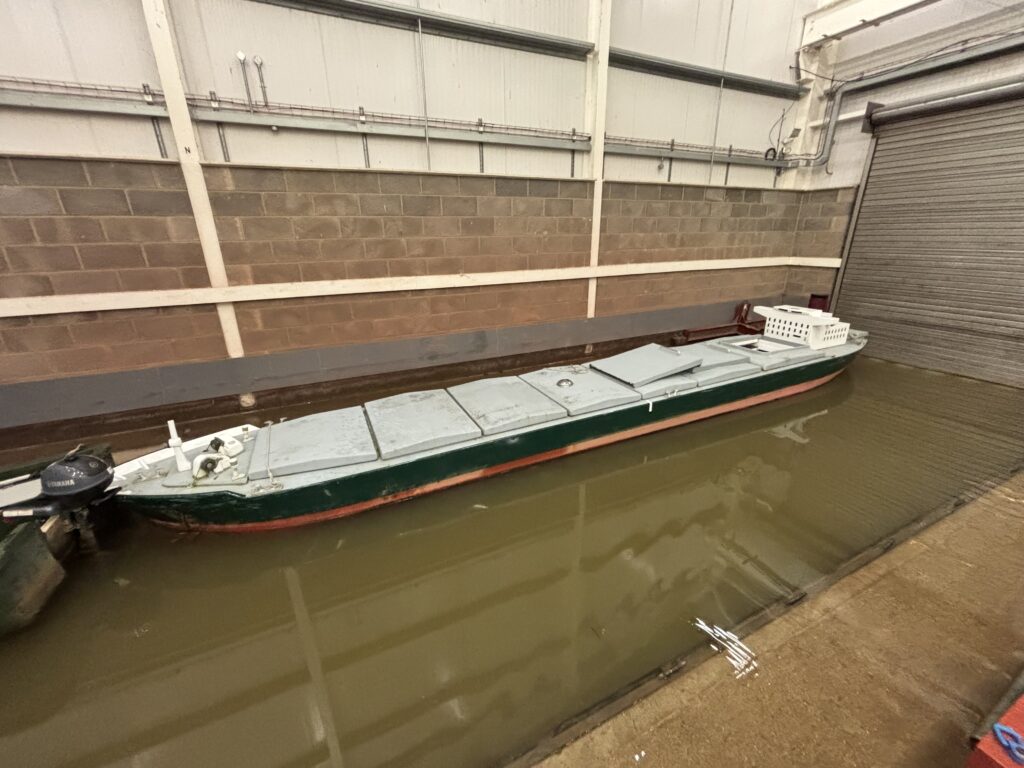
The team also visited the Ship Handling Centre at Timsbury Lake, led by Ed Hadnett, where manned 1:25 scale ship models replicate the behaviour of real vessels in a controlled environment. These models allow for detailed examination of vessel manoeuvring, berth arrangements, and operational constraints, providing insights that complement analytical assessments and desktop studies.
Reflecting on the value of this capability, Ed Hadnett, Warsash Maritime School, commented,
“We are looking forward to working with the ABL team – I believe that together we can offer a great product to port authorities.”
Strengthening technical foundations through partnership
The ability to draw on Southampton Solent University’s facilities enables ABL to incorporate real‑world testing into client scenarios and ensures our methodologies continue to evolve alongside advances in research, simulation, and maritime education.
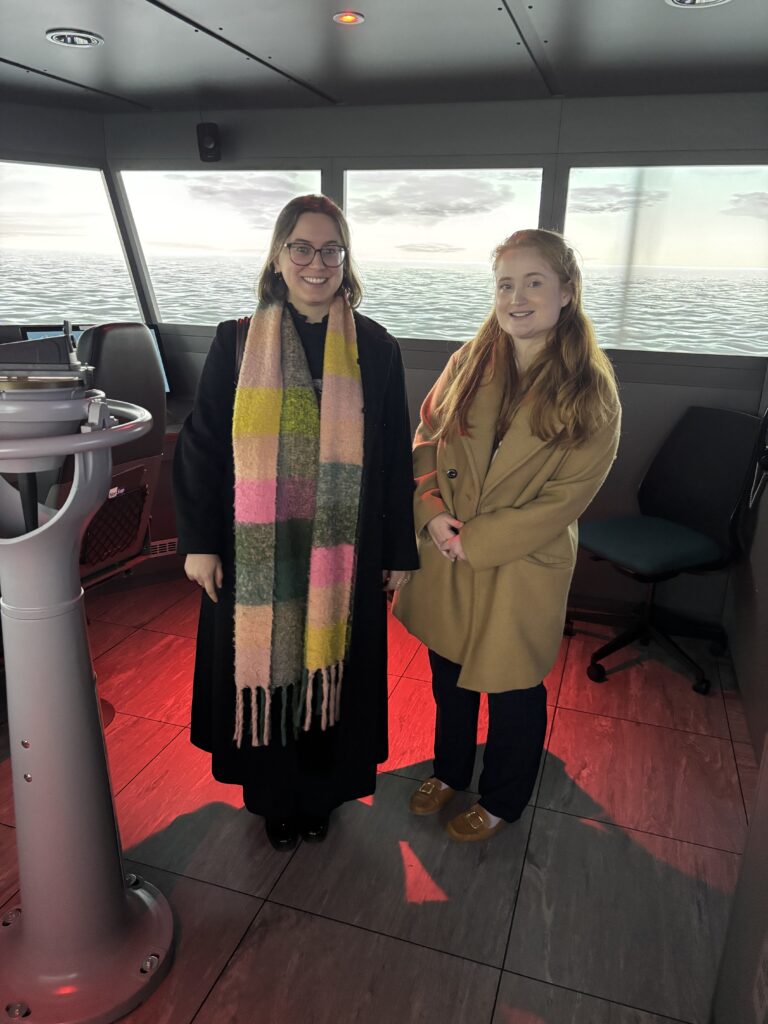
For Eden Connolly, Senior Marine Risk Analyst, the visit reinforced the importance of combining practical experience with training environments:
“Thank you to Solent University and Warsash Maritime School for a rewarding visit. By combining practical expertise with cutting‑edge training environments, we can deliver clearer, more robust insights for the maritime sector.”
Miriam Weber, Senior Ports and Harbours Consultant, also highlighted how this collaboration strengthens ABL’s work at a technical level:
“This visit highlighted how much value the University’s facilities bring to our navigational and port‑focused studies. Working closely with the academic team strengthens the technical foundations of our work, and I’m excited to continue developing this partnership.”
By engaging directly with universities and supporting applied learning, ABL contributes to developing the next generation of maritime professionals while encouraging shared learning between industry and academia.
This collaboration exemplifies ABL Group’s social promise in action, working with communities and institutions that underpin our industries and continuing to invest in long‑term innovation and technical excellence, supporting safer and more effective maritime operations today while helping shape a brighter future for the sector.