Meet Adelio Silva, Managing Director of Hidromod
The team at ABL Group shares the passion, vision and values for working in energy and the world’s oceans, de-risking and driving the energy transition. We are driven by the idea that the best work is born from professionalism, diligence… and fun. You know ABL Group, but do you know our team?
Give us a glimpse into your day-to-day life at Hidromod so far. What keeps you on your toes?
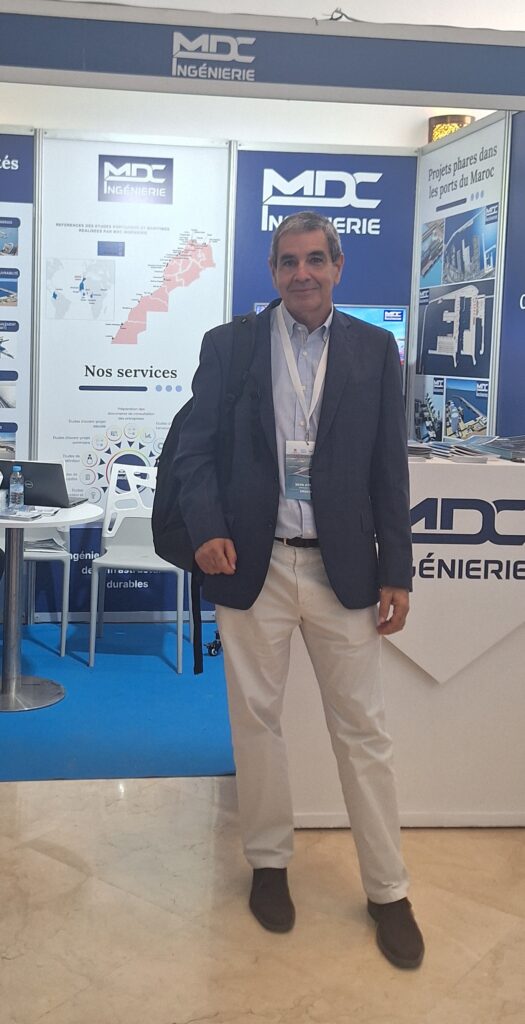
My day-to-day is usually spent managing ongoing projects, searching for new business opportunities and preparing proposals. I always have in mind that I’m co-responsible for a group of 16, for which I must assure the required resources to assure their salary by the end of the month. This requires a continuous effort to keep looking for new opportunities and be sure that the projects that are going on are being executed with the proper quality.
What drew you to our industry and what keeps you passionate about it?
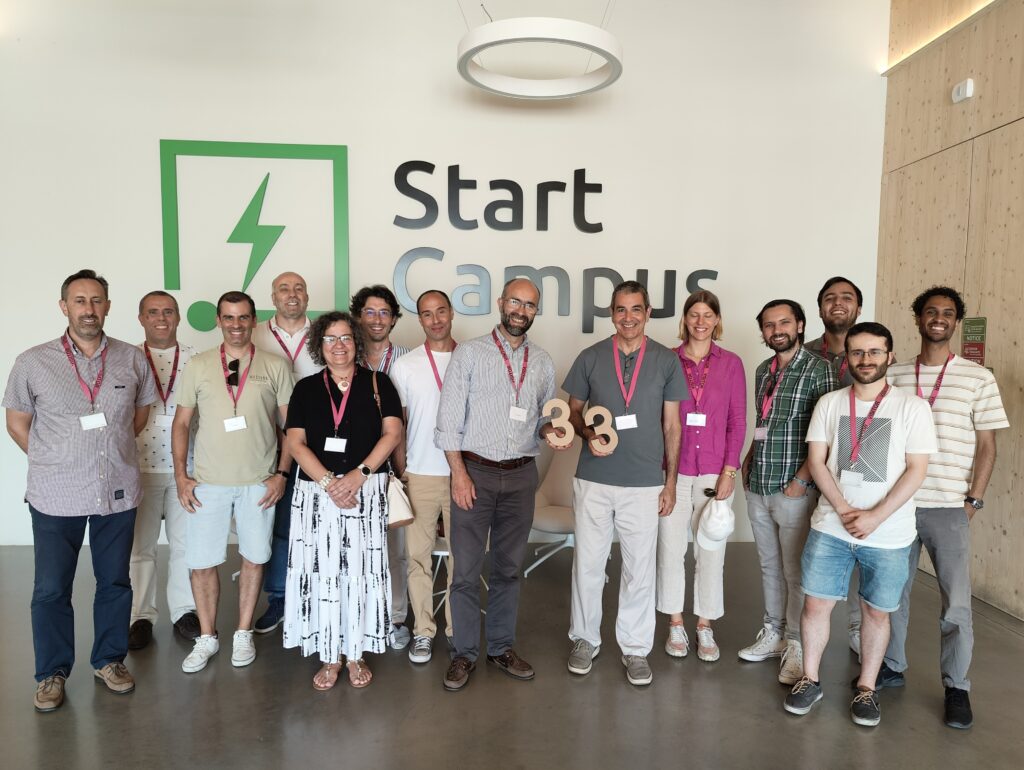
In the beginning, 33 years ago, I must say it was a random choice. I had finished my PhD. and I was looking for work. The opportunity to start Hidromod appeared then as a risky but challenging option.
We started with 2 (myself and José) and straight away we started to be engaged in interesting projects. We were doing modelling for an industry in which this was still new, and every new project represented a new challenge.
Note that by that time the available computational resources were limited, and behind the novelty of what we were doing, we also needed to look for imaginative solutions to give the best performance with the resources we had.
Along these 33 years I had the privilege to work on quite challenging projects (sometimes I still wonder how it was possible to do some of the projects in which we were involved), and even today, almost each new project represents a new challenge. The resources are better, but the questions become more complex…
Can you tell us about something exciting you are working on right now?
Presently, I’m engaged in quite interesting projects. Some examples are the assessment of the resilience of the Morocco ports to climate change, or the construction of new ports in Soyo (Angola) and in Biombo (Guinea).
Other examples are the R&D projects, which represent one of the areas I love to work. Presently, we are finishing two quite interesting projects (ILIAD focused in developing digital twins for marine related industries and EcoScope focused in providing support to the fishing industry) and I’m still deeply engaged in ULTFARMS (a project focused on providing solutions for the multi-use of the marine space).
With climate change, sustainability goals, and new technologies shaping the sector, what do you see as the biggest challenges and opportunities for coastal and port engineering in the next few years?
I think that climate change (no matter if it represents a true issue or not) will oblige the coastal and port engineering to proceed with a deeper assessment of the risks and will drive some critical changes.
In ports, addressing issues such as electrification or pollution reduction is becoming mandatory. Coastal management, among many other issues, will require deeper attention to the potential risks associated with rising sea levels that may reflect as aggravated problems of coastal erosion and inundation.
Beyond the work, what’s your favourite part about being part of the Hidromod team in Portugal? Any fun team moments you’d like to share?
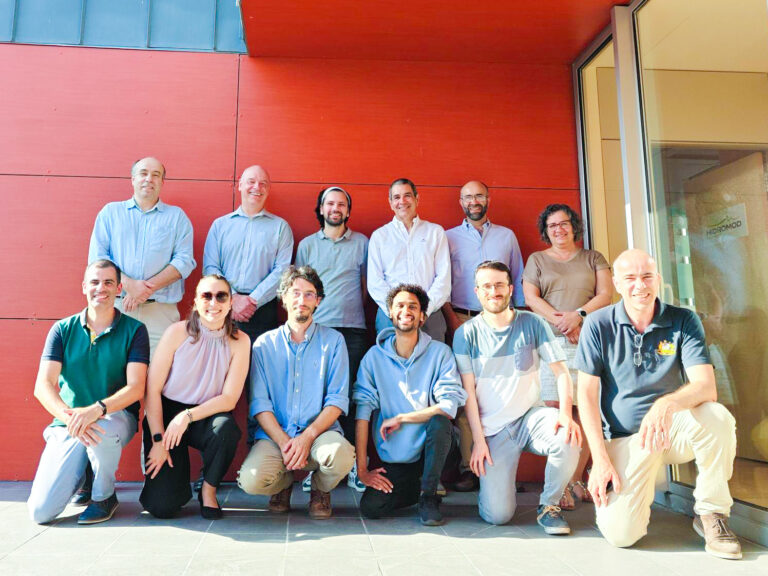
Hidromod has always been a “different” company. Maybe because we are small and work on complex issues, competing sometimes with some major laboratories, we always provided everybody with the freedom (with which comes the responsibility) to find innovative solutions for the problems they had to solve.
In some way, this erased the more formal relations between boss and employee and led to a nice working environment. When I go to work, I don’t see it as a “job” but more as something that provides me pleasure to do.
If you could change one thing about your industry, what would it be and why?
In fact, we had already introduced a change when we decided to start our new “adventure” with ABL. Although I love what I do, the world is now moving faster, and it starts to be more difficult to keep pace as a small company. I know this requires some changes in terms of giving up some informality (that was one of the things I like in the way we used to work) to gain a larger access to the market. I’m confident that in the end this was a change for the better and critical to assure the future of the team.